

Understanding cash cash inflow vs outflow outflows is crucial for financial management and accounting. Cash outflow refers to the movement of money out of a business or individual’s account. It covers all payments made for salaries, purchases, rents, loan repayments, and asset acquisitions. Tracking cash outflows helps understand business expenses and prepare accurate cash flow statements. In the case of operations, cash outflow occurs when you are paying salaries to your employees and when you pay for rent.
- Second, by avoiding debt and financial stress, you can maintain a healthy financial situation and avoid unnecessary interest payments.
- You can use information from both documents to create a statement of cash flows.
- Conversely, if a current liability, like accounts payable, increases this is considered a cash inflow.
- It reflects the core profitability and cash-generating ability of the business operational activities.
- By understanding the formulas, avoiding common mistakes, and implementing practical strategies, you can gain control of your finances and pave the way for sustainable growth.
- Current assets such as intangible assets, stock in legible entities, and future contracts can all be valuable resources to keep a steady and growing cash flow.
Types of cash outflow

A high FCF tells investors that a company can pay its bills each month, which might indicate the company is ready to grow. A low FCF means less money is available after paying business expenses, which might indicate the business could benefit from restructuring to save on operational expenses. Cash flow isn’t concerned with money owed or to be received; it’s only concerned once money changes hands. For example, the money you receive when taking out a business loan counts as an inflow. Small businesses are generally free to choose between cash-basis accounting and accrual method of accounting.
Common Cash Flow Problems for Australian SMEs
- Effective management of cash outflows is essential for maintaining a healthy cash flow and ensuring the sustainability of a business.
- This balance is often monitored through financial ratios, such as the debt-to-equity ratio and interest coverage ratio.
- This is because the business is not immediately spending its cash, even though it is receiving materials, supplies, or a cash infusion.
- For example, in a BRRRR case study cited by Kiavi, an investor achieved $662 in monthly cash flow and a 21.17% cash-on-cash return after refinancing.
- A company’s ability to create value for shareholders is determined by its ability to generate positive cash flows.
A healthy business maintains a positive cash flow by keeping flows from operating low, and minimizing long-term debts. For most small businesses, a weekly check of your cash position provides a good pulse on operations, while a more detailed monthly cash flow forecast is essential for strategic planning. If your business is new, seasonal, or experiencing rapid growth, reviewing your cash flow daily might be necessary to stay ahead of any potential shortfalls.
Net Increase/(Decrease) in Cash and Closing Cash Balance

Avoiding a negative cash flow will allow you to make wiser business decisions. More than just staying positive, a strong business will have a focus on growing. In order to grow your business, you’ll need cash to reinvest (buying new equipment, advertising costs, investing in new projects), Insurance Accounting as you cover operating costs and liabilities. This might not be a deal-breaker for more established businesses, but many small businesses and new startups need to be very strategic about their cash flow at the beginning.
One type of expenditure that can occur is when money leaves a business or individual’s possession. Cash outflows are an important aspect of financial management, as they directly impact the overall cash position of a business or individual. By incorporating tools and technologies into cash flow management practices, businesses can enhance efficiency, accuracy, and control over their financial processes. Managing cash outflows ensures timely debits, payments and a positive relationship with creditors. Effectively managing your cash outflow is crucial for maintaining financial stability and sustainability.
Management Solution

As such, it becomes essential to explore strategies for effective cash flow management in order to ensure long-term success in any endeavor. Because the cash budget accounts for every inflow and outflow of cash, it is broken down into smaller components. The cash receipts schedule includes all of the cash inflow expected to be received from customer sales, whether those customers pay at the same rate or even if they pay at all. The cash receipts schedule includes all the cash expected to be received and does not include the amount of the receivables estimated as uncollectible. The cash payments schedule plans the outflow or payments of all accounts payable, showing when cash will be used to pay for direct material purchases. Both the cash receipts schedule and the cash payments schedule are included along with other cash transactions in a cash budget.
Predicting IRR Outcomes with AI
Accounts receivable typically operate on a Net 30 or Net 60 payment schedule. Reducing your DRO, incentivize customers to get payments earlier by sweetening the deal with a discount. You can build cash reserves by negotiating early payments across a few recurring vendor payments. You may be able to take advantage of early payment discounts with your vendors to keep a little extra cash in the bank each month. Sales and marketing are considerable expenses but are nonetheless essential to revenue growth.
FAQs on Cash Outflows: Definition, Types & Practical Examples
Slash Platinum users with an account at Bridge Building Inc or Layer2 Financial, Inc. may be eligible to receive cryptocurrency in their legal entity name. Bridge Building Inc or Layer2 Financial, Inc., as applicable, will convert such cryptocurrency in your account to United States Dollars (USD) and transfer the USD to your Slash Platinum account. Stablecoin custody and transfer services are provided by Bridge Building Inc and/or Layer2 Financial, Inc., as applicable.
Outsourced CFO Services Melbourne: Your Partner for Strategic Growth
- A healthy business maintains a positive cash flow by keeping flows from operating low, and minimizing long-term debts.
- You can also use the statement to reference past sales rates to plan your inventory, and change advertising strategies.
- Determine the specific categories of cash outflows relevant to your business.
- Every invoice you receive creates a future payment obligation, and how you manage those obligations directly affects your short term cash position.
- By accounting for the cadence and magnitude of cash flows, IRR provides a time-weighted measure that is indispensable in private equity, commercial real estate, and capital budgeting.
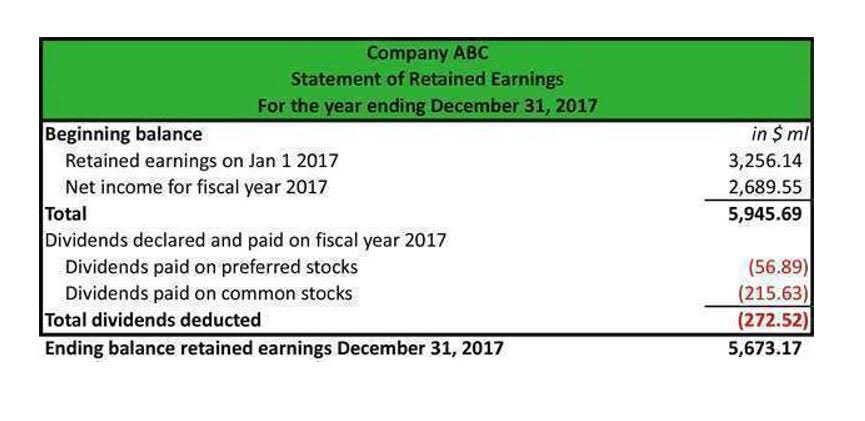
Increase in current assets reduces cash, increase in current liabilities increases cash. Financing outflows are related to business funding, such as repayment of loans, payment of interest, and distribution of dividends to shareholders. Financing activities are crucial for raising capital and managing debt. Cash flow from financing activities reflects the movement of cash related to these activities. Net cash inflow is the total amount received minus the total amount spent during a specific period, indicating the overall positive movement of funds into a business. On one side lies the need to preserve cash reserves for operational and unpredictable costs.
- Cash outflows represent money leaving a business or individual’s account.
- By prioritizing cash flow management, businesses can navigate the complexities of the financial landscape with greater confidence and strategic foresight.
- Projected rent growth for 2026 is expected to range from 3–5% nationally, though this varies significantly by market.
- You can build cash reserves by negotiating early payments across a few recurring vendor payments.
- Level up your career with the world’s most recognized private equity investing program.
- Efficient cash outflow management reflects a financially responsible business, boosting confidence among investors and creditors.

Changes in taxation, labor laws, and industry regulations can affect cash flows by altering operational costs and financial obligations. The terms of debt, including interest rates and repayment schedules, directly impact cash outflow through debt service requirements. Investments in capital assets can lead to https://www.bookstime.com/ significant outflows but are essential for long-term growth and operational capacity.