
Whoa!
I wasn’t actively looking to switch wallets today, but Rabby popped up in a thread and my curiosity spiked. Seriously? I thought. My instinct said, “okay, check this out”—and so I did. At first glance it looked like just another extension. Then the details started adding up in ways that felt genuinely useful, not just shiny. Initially I thought it was overhyped, but then some small features made me pause and actually test it on a fresh profile.
Here’s the thing. Rabby is an Ethereum-focused browser extension wallet that aims to simplify DeFi interactions while giving you controls that matter. It’s fast. It’s pragmatic. And it doesn’t scream for attention with endless popups. On one hand it’s intuitive for newcomers, though actually it offers power-users the granular safety nets they crave. My first impression was all gut; later I walked through the settings and my head caught up with the feeling. Hmm… somethin’ about that balance stuck with me.
Quick list: address book, built-in token approvals management, and per-site account isolation. Pretty neat. Really. Those three features alone cut down on tiny UX annoyances that become big security issues if you ignore them. On a practical level, the approvals manager lets you revoke token allowances without leaving the browser—very very handy when you don’t want to use Etherscan every time. And the account isolation minimizes accidental site-wide exposures (a small win that compounds over time).
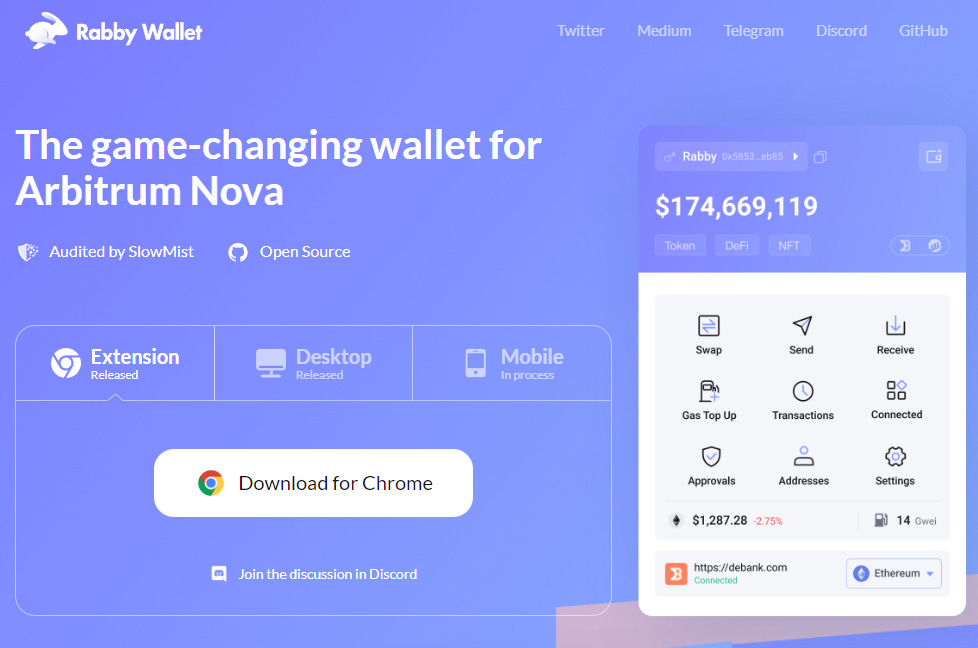
Why Rabby feels different
Okay, so check this out—many wallets focus on brand or a long list of integrations. Rabby instead focuses on a few friction points and nails them. For example, the gas control UI surfaces realistic fee suggestions, but it doesn’t force you into a confusing meter. On one hand wallets should simplify; on the other hand they must never hide risk. Rabby walks that tightrope pretty well. I’ll be honest: the built-in approvals UI is what sold me. I like having that control without digging through multiple tools.
My process was simple. I installed Rabby on a throwaway browser profile and sent a few test transactions on Goerli. I tried connecting to a DeFi app, approving a token, then revoking that approval. The flows were predictable. Predictability is underrated. At first I mis-clicked—user error—but the UI made recovery obvious. Actually, wait—let me rephrase that: recovery was obvious for someone who knows what to look for. If you’re new, there’s a learning curve, but it’s shallower than most.
There’s also a thoughtful approach to phishing protection. Instead of dramatic red screens, Rabby gives contextual cues—site-level warnings, clear origin labels, and an account switcher that helps prevent accidental use of the wrong key. Those are small design choices. Yet they reduce stupid mistakes that people make at 2 a.m. when gas prices spike or when they’re multi-tasking. I’ll admit I’m biased toward tools that prevent dumb errors rather than tools that promise absolute safety (because nothing is absolute).
Security reality check: browser extension wallets are inherently more exposed than hardware wallets. Night and day. If you want the ultimate safety, use a hardware wallet and bridge it to a browser extension when needed. Rabby supports that workflow, so it doesn’t put you in an either/or box. On one hand browser convenience wins daily tasks. On the other, hardware keys keep the crown jewels offline. Rabby lets you mix both.
How to download Rabby (the safe way)
Here’s a straight path: test in a new browser profile first, and never paste your seed into random prompts. Seriously—don’t. If you want to get Rabby and try it safely, start with the official install route. You can find the download at https://sites.google.com/cryptowalletextensionus.com/rabby-wallet-download/ which points you toward the recommended extension store entries and the maintainers’ resources. Follow those links rather than hunting on search engines where copycats live.
Practical install tips: use a clean browser profile, create a new wallet (or connect a hardware device), and fund only a small test amount before doing real trades. If somethin’ feels off, stop. Log the site, copy the address, use block explorers to verify. Don’t rush. I know, I know—DeFi moves fast and FOMO is real. But a five-minute pause has saved me more than once. Also, bookmark the official download page so you avoid phishing clones next time.
One feature I appreciate is the clear metadata shown when a site asks for signatures. You can see which contract and which function is being invoked, rather than just a blob of hex and a vague label. That transparency matters. On my end, that led to fewer blind approvals and more informed decisions—again, small wins that add up.
Common questions about Rabby
Is Rabby safe for large holdings?
Short answer: use a hardware wallet for large sums. Rabby supports hardware devices, so you can combine its UX with the security of a cold key. For everyday amounts Rabby is fine, but treat browser extensions like any other interneted app—be cautious.
Does Rabby work with all chains?
Rabby is Ethereum-first and optimized for EVM chains. It supports common networks used by DeFi apps, but if you’re operating on exotic or less-supported chains, double-check compatibility before approving transactions. I’m not 100% sure about every custom RPC nuance, so test first.
Okay, quick caveat: no wallet is magic. Bugs happen. Interfaces change. DeFi itself evolves. But Rabby demonstrates a practical ethos—fix real pains rather than chase bells and whistles. That matters because, in practice, users don’t want complexity; they want predictable behavior. Rabby prioritizes that predictability while still giving control.
One more honest aside: this part bugs me—some users assume a wallet solves trust issues between contracts and sites. It doesn’t. It just makes the interactions clearer. Read approvals. Verify contract addresses. Ask questions. It’s annoying, yes, but it’s the work of staying safe in this space. If you’re willing to do that, Rabby reduces the friction of doing it.
Final thought—well, not final exactly, but closing for now: try it on a small scale, see if the UI matches your mental model, and then decide. On my end, Rabby sits in my toolkit for both daily use and when I need to audit approvals quickly. I still use a hardware wallet for real sums though—old habits die hard. And hey, if you want to grab the extension and follow the recommended install steps, head here: https://sites.google.com/cryptowalletextensionus.com/rabby-wallet-download/. Yep, double-check that it’s the right site and move slow when you need to.